Most businesses eventually face the same tension: how do you change with the market without confusing people about who you are?
Some companies become too rigid. They keep repeating the same product, format, or message because they believe consistency means staying exactly the same.
Others change too often. They chase every opportunity until the brand no longer stands for anything clear.
The better approach is to separate identity from execution.
Identity should stay stable. Execution should move.
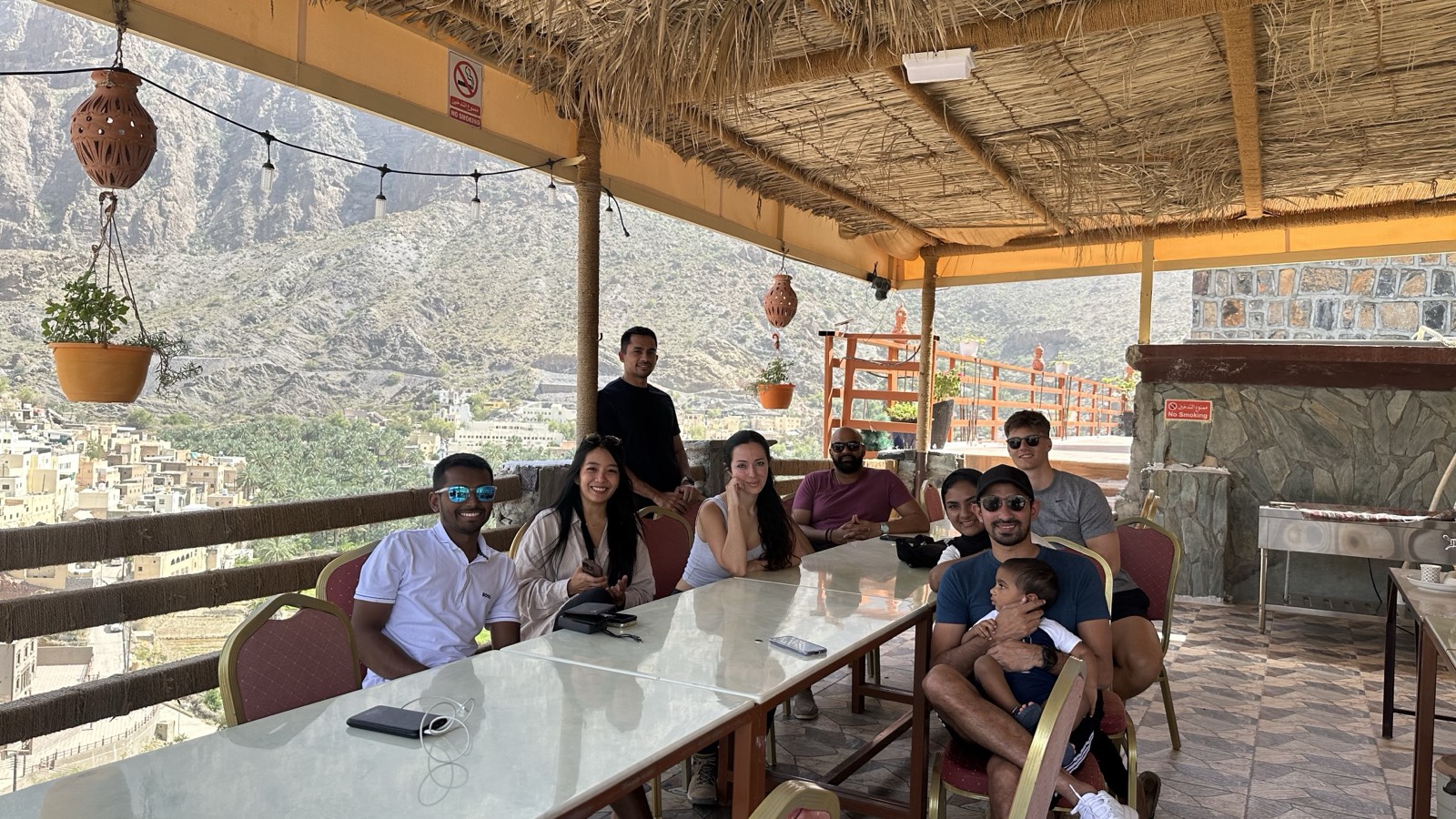
I learnt this through No Wi-Fi Here, a community I started in Dubai to help people disconnect from screens and repetitive routines, become more present, and meet others in a more genuine way.
I use it here because it makes the distinction unusually easy to observe. No Wi-Fi Here is not a household name, and it does not need to be. In a small community, I can see the distance between what I intended, what I delivered, and what people actually valued. The example exposes the mechanism; established brands help show what that mechanism looks like at scale.
The community started through hiking and outdoor experiences because nature made that disconnection easier.
Over time, the community grew to more than 300 people and developed its own dedicated WhatsApp space.
For a while, I assumed hiking was the identity.
Then I injured my knee.
I could not walk properly, let alone organise a hike. It was also summer in Dubai, which meant pushing people outdoors simply because that was what we had always done would have been stubborn rather than thoughtful.
So I organised a board game evening.
It was indoors. It had nothing to do with mountains. Yet people were incredibly kind and, more importantly, genuinely thankful.
That was when I understood that hiking was only the first expression of the idea.
The real identity was about presence, meaningful connection, and stepping away from routine.
A brand is not its current activity
Businesses often confuse what they do today with why people care about them.
A retailer may think its identity is a product category. A media company may think its identity is the platform it uses. A community may think its identity is hiking.
But products, platforms, campaigns, and experiences can change.
The deeper question is: what role does the brand play in people’s lives?
Once that is clear, change becomes easier.
For No Wi-Fi Here, a board game evening did not dilute the concept. It expressed the same purpose in a way that made sense for the situation.
This is what strong brands do well. They adapt the format while protecting the meaning. That same distinction creates the confidence to expand without drifting away from the centre.
Identity should work like a decision system
A useful brand identity does more than sound good in a presentation. It helps answer practical questions:
- What can change?
- What must remain consistent?
- Which new opportunities still belong?
- Which ones should be rejected?
The purpose provides stability. The execution provides flexibility.
When the purpose is unclear, every change feels random. When the execution is too rigid, the brand becomes less relevant.
The real skill is knowing which layer you are changing.
Context matters
Consistency does not mean repeating the same thing regardless of reality.
Markets change. Customer behaviour changes. Technology changes. People change.
A thoughtful brand responds to those conditions without abandoning its core.
No Wi-Fi Here did not become less authentic because we moved indoors. It would have been less authentic if we ignored what people needed and forced the original format simply to protect an image.
The principle remained the same. Only the delivery changed.
Netflix changed the delivery, not the role
Netflix makes the distinction clearer at a much larger scale.
The company began by delivering DVDs in red envelopes. It then moved into streaming, original productions, and now a broader mix of series, films, and games. Netflix itself describes the DVD business as the foundation that gave members more choice and control, and says those red envelopes paved the way for streaming.
If Netflix had defined itself as a DVD delivery company, streaming would have looked like a betrayal. If it understood its role as giving people convenient access to entertainment they wanted to watch, the delivery system was free to change. Its current expression spans series, films, and games, but the customer still recognises the role it is trying to play.
That does not make every Netflix decision correct. It simply shows why identity needs to sit above the current technology or format. A format can become obsolete. A meaningful role can survive it.
Scale in depth, not only in numbers
The community now has more than 300 people, but the goal is not to become a large, anonymous audience. The goal is to create depth.
That means people recognising each other, returning, building trust, and feeling that they are part of something rather than just added to a group.
We have had people from very different backgrounds and stages of life join us. Parents have attended. Even a one-year-old has been part of some of our experiences.
Demographically, the group is diverse. What connects people is not age, profession, or nationality. It is the shared desire for more meaningful forms of connection.
That lesson applies to brands too.
Horizontal scale gives you more reach. Vertical scale gives you stronger relationships. The best brands eventually need both.
A brand should not behave like a cage. It should behave like a compass.
Use identity to navigate, not to stand still
A compass provides enough clarity to keep decisions coherent while still allowing movement. It does not prescribe every step.
That distinction matters because brand consistency is not the same as visual or operational repetition. It depends on judgement: understanding what people recognise, what they trust, and which changes still feel true. In that sense, taste is a business capability, not simply a creative preference.
No Wi-Fi Here is not just a hiking group. It is a community built around presence, connection, and stepping outside routine.
Sometimes that happens on a mountain. Sometimes it happens around a board game.
The format can change. The reason it exists should not.
If this resonates and you are interested in joining one of our No Wi-Fi Here experiences, write to me.